
Bow-top and parkland estate railings
Supplied and fitted with posts concreted in, bow-top railings cost €115 to €195 per metre and parkland estate railings cost €110 to €190 per metre in Ireland. A 25 m rural frontage or garden boundary typically lands between €2,750 to €4,750, while supply-only bays start from €35 to €60/m.
Child-safe hoop-top railings for family gardens and schools alongside classic continuous horizontal estate fencing for rural boundaries and driveways.
Free, no obligation. One local fabricator prices it, not five.
- €110–€190/mestate steel railings, fitted
- €115–€195/mbow-top railings, fitted
- €2,750–€4,75025 m boundary run, fitted
- €35–€60/msupply-only modular bays
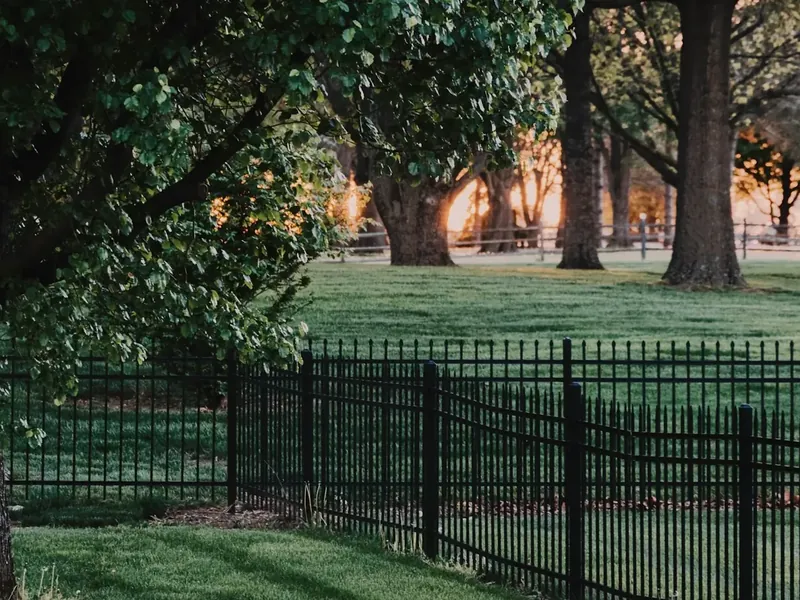
Bow-top versus continuous parkland estate steel
Both systems span long runs far more economically than ornate wrought iron, yet they solve completely different jobs on Irish properties.
Bow-top (hoop-top) railings
- Look and silhouette
- Rounded continuous vertical arches with zero sharp tips
- Typical height
- 1.0 m to 1.2 m (or 1.5 m schools/parks)
- Child & pet safety
- Anti-trap smooth hoops; safe beside playgrounds and lawns
- Supply & fit rate
- €115 to €195/m
Parkland estate railings
- Look and silhouette
- Slender horizontal rails (4 or 5 bars) following ground contours
- Typical height
- 1.1 m to 1.2 m (stockproof rural standard)
- Child & pet safety
- Horizontal bars can be climbed; great for horses/cattle, not drops
- Supply & fit rate
- €110 to €190/m
Price my railings
Four quick taps and our price shows before we ask for a phone number. One local fabricator rings you, not five.
Bow-top, estate or stainless railings, about 25 m (19 m to 35 m), set with posts into soil or concrete: €3,380 to €10,130, supplied and fitted.
How the price is worked out
The range reflects typical supply-and-fit metal railing prices in Ireland for hot-dip galvanised and polyester powder-coated steel (or Grade 316 stainless on coastal jobs). Short runs under 4 m reflect a workshop minimum charge covering site measuring, welding, dipping and fitting. Core-drilling into granite coping, raking panels to match steep slopes, removing rusted ironwork and matching pedestrian gates are priced after an on-site measure. Ask whether VAT is quoted at 13.5% or 23%. Use this figure to plan: only a fabricator who measures your wall or steps gives a firm written quote.
Ground-set installation over uneven rural lawns
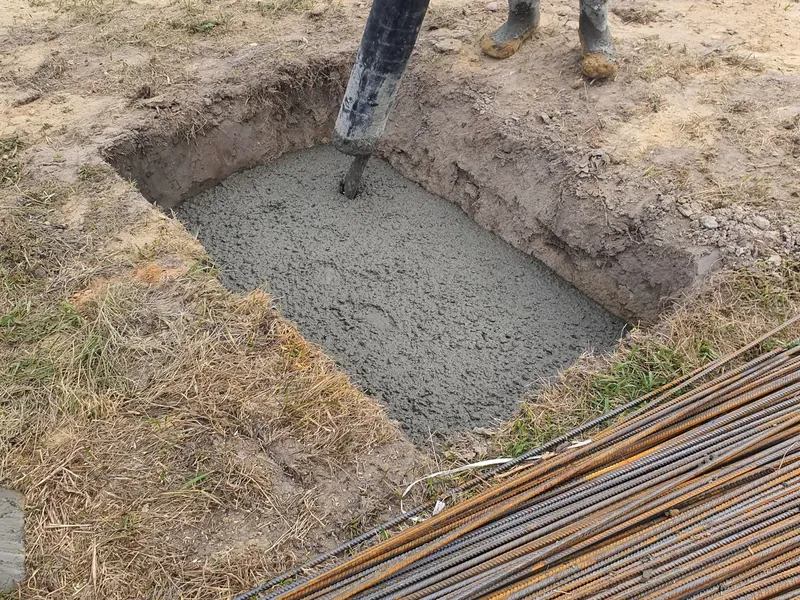
- Concrete every post 500 mm to 600 mm deep. Drive-in spikes work loose in wet Irish clay within two winters; dug concrete pockets keep long lines dead true.
- Follow flowing curves with estate rail. Traditional welded or bolted estate steel bends smoothly along curved gravel avenues where rigid box-section panels would look jagged.
- Specify hot-dip galvanising at soil contact. Moisture and lawn strimmers strip paint right at grass level; a heavy zinc coat stops post bases rusting through.
- Check livestock spacing on rural frontages. Standard 5-rail estate fencing uses tighter bottom rails to hold sheep and lambs alongside horses or cattle.
Related metal railing guides
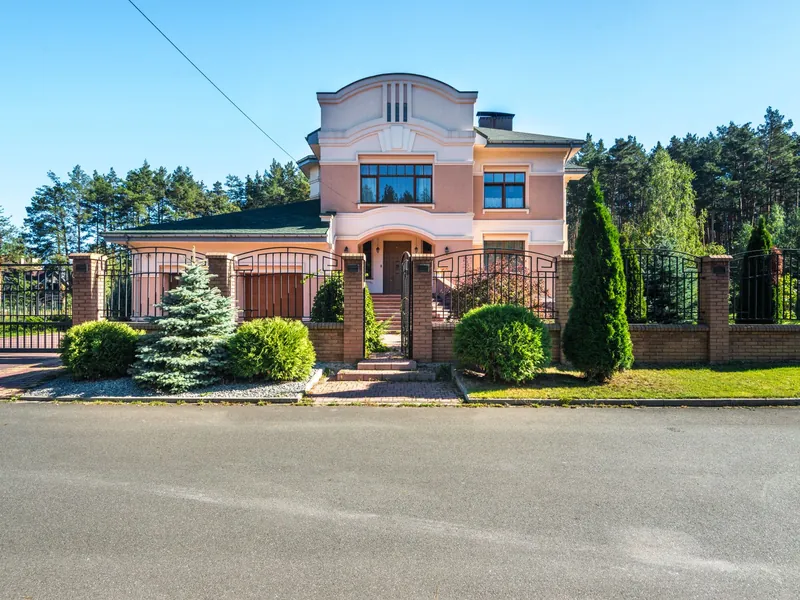 Garden wall railingsWall-top metal panels for front block, brick and rendered walls.
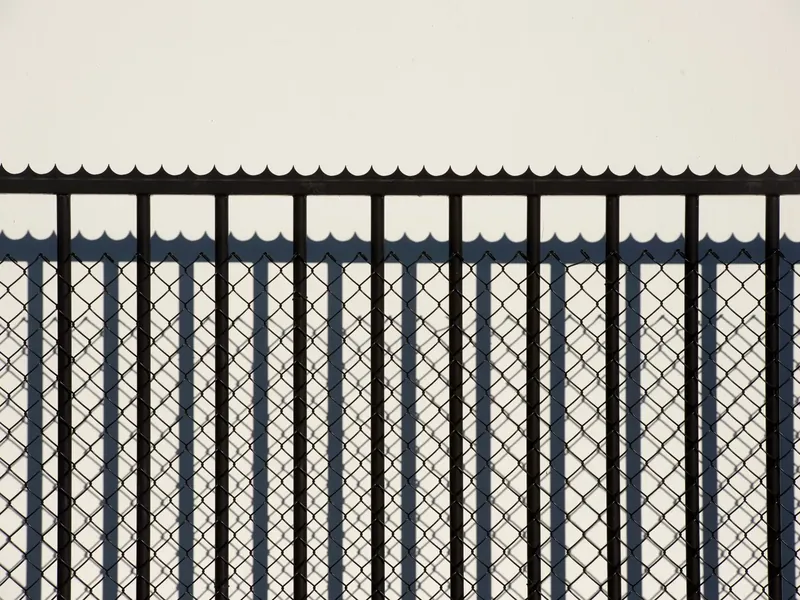 Modular kits vs bespokeWhen pre-made 2 m bays or Kee Klamp tubes work and when custom steel wins.
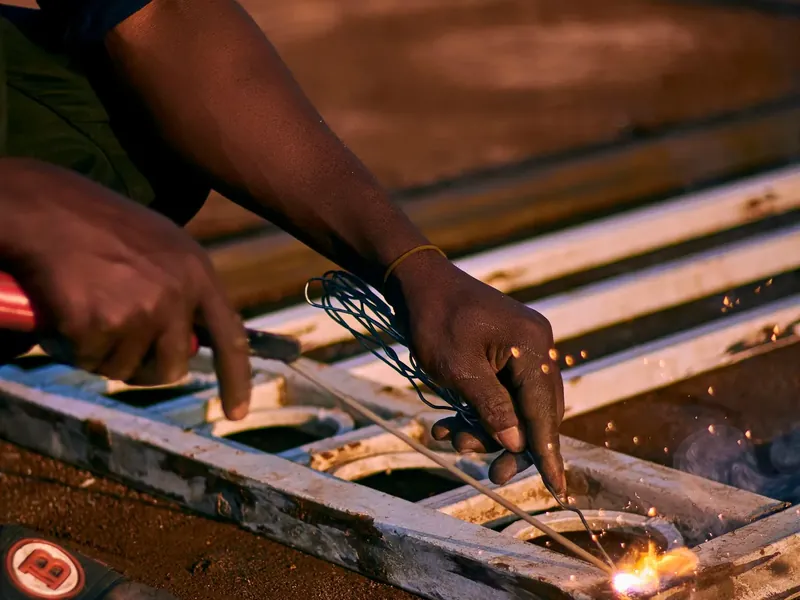 Galvanising & RAL coloursI.S. EN ISO 1461 hot-dip zinc baths, duplex powder coating and finishes.
 Regulations & planningClass 5 front wall 1.2 m cap, TGD Part K rules and Section 5 checks.
 Lead times & fittingFrom site survey and galvanising dip to half-day or two-day installation.Railings cost per metreComplete Irish supply-and-fit price guide per metre plus site extras.
Questions homeowners ask before ordering
Why are bow-top railings popular around Irish front gardens and schools?
The smooth arched hoops remove sharp finials entirely and keep spacing tight enough to avoid head or neck entrapment, making them a safe boundary beside paths and play areas.
Can estate railings follow a curved country driveway?
Yes. Traditional parkland estate fencing is either welded continuously on site or joined in flexible bays so the horizontal bars sweep naturally along curved lanes and rolling fields.
How deep should boundary railing posts be set in soil?
Standard 1.2 m high ground-set railings need 500 mm to 600 mm of concrete embedment, increasing to 750 mm on soft peat or exposed windy corners.
Are bow-top and estate railings exempt from planning permission?
Forward of the front house wall they follow the same Class 5 1.2 m height cap; behind the front wall line or along rear boundaries they stay exempt up to 2 m unless restricted by estate covenants.
All metal railing pages and guides
Railing styles
Specs & fitting
Check your railing price before anyone rings
Choose the style, rough length in metres and mounting surface. When you want a written price, your details go to a single fabricator in your county.