
Repairing and restoring old iron railings
Removing, shot-blasting, repairing and repainting sound heritage iron railings typically costs €65 to €130 per metre in Ireland, before heavy structural bar replacements. Where bottom rails and post bases have rusted halfway through, replacing with hot-dip galvanised steel at €130 to €240 to €340/m lasts far longer.
How to tell whether period Irish railings can be shot-blasted and welded back to life, or when flaking rust means replacement is wiser.
Free, no obligation. One local fabricator prices it, not five.
- €65–€130/mshot-blast & recoat sound iron
- €30–€70/mcutting out & removing old steel
- Rust jackingsplits granite plinths at bases
- 2–3 coatszinc-rich primer + micaceous iron
Signs your existing railings are worth saving versus replacing
Worth restoring
- Surface condition
- Thick flaking gloss paint over solid pitted bar
- Post bases & plinth
- Posts firm in masonry; minor mortar spalling
- Heritage value
- Original Georgian/Victorian cast-iron or Protected Structure
- Bottom horizontal rail
- Intact bar with surface rust only
Better replaced
- Surface condition
- Laminar flaky rust eating > 30% of vertical bars
- Post bases & plinth
- Posts snapped off inside rusted sockets or rocking loosely
- Heritage value
- Thin 1970s–1990s hollow mild-steel box panels
- Bottom horizontal rail
- Rotted right through where moss sat on the coping
Price my railings
Four quick taps and our price shows before we ask for a phone number. One local fabricator rings you, not five.
Wrought iron spear-top railings, about 6 m (4 m to 8 m), mounted on top of a wall: €1,080 to €2,040, supplied and fitted.
How the price is worked out
The range reflects typical supply-and-fit metal railing prices in Ireland for hot-dip galvanised and polyester powder-coated steel (or Grade 316 stainless on coastal jobs). Short runs under 4 m reflect a workshop minimum charge covering site measuring, welding, dipping and fitting. Core-drilling into granite coping, raking panels to match steep slopes, removing rusted ironwork and matching pedestrian gates are priced after an on-site measure. Ask whether VAT is quoted at 13.5% or 23%. Use this figure to plan: only a fabricator who measures your wall or steps gives a firm written quote.
Why rust jacking cracks granite walls on period Irish homes
Old cast and wrought iron posts set straight into limestone or granite plinths expand to up to seven times their original volume as rust forms below stone level. That relentless hydraulic wedge, known as rust jacking, splits heavy stone copings right along the mortise line. Proper restoration cuts out the swollen corroded stub, splices on a new solid steel foot (or stainless dowel) and re-beds it cleanly in non-shrink lime or resin mortar before priming.
- Wire-brushing in place is only short-term. Hand sanding leaves active rust inside scroll crevices; blast-cleaning back to bright SA 2.5 steel gives coatings real grip.
- Use micaceous iron oxide (MIO) paint on in-situ ironwork. Where antique railings cannot be lifted off a listed plinth for hot-dip galvanising, MIO undercoats seal damp far better than household gloss.
- Check council conservation grants on Protected Structures. Local authorities administer Built Heritage Investment Scheme funds that occasionally cover period ironwork repairs on listed frontages.
Related metal railing guides
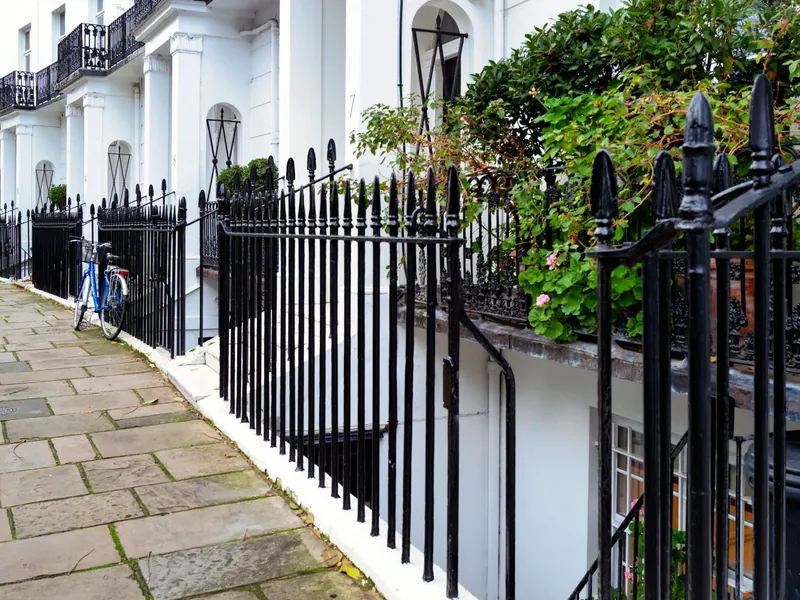
Wrought iron railingsSolid square-bar spear-top and scroll railings for period frontages.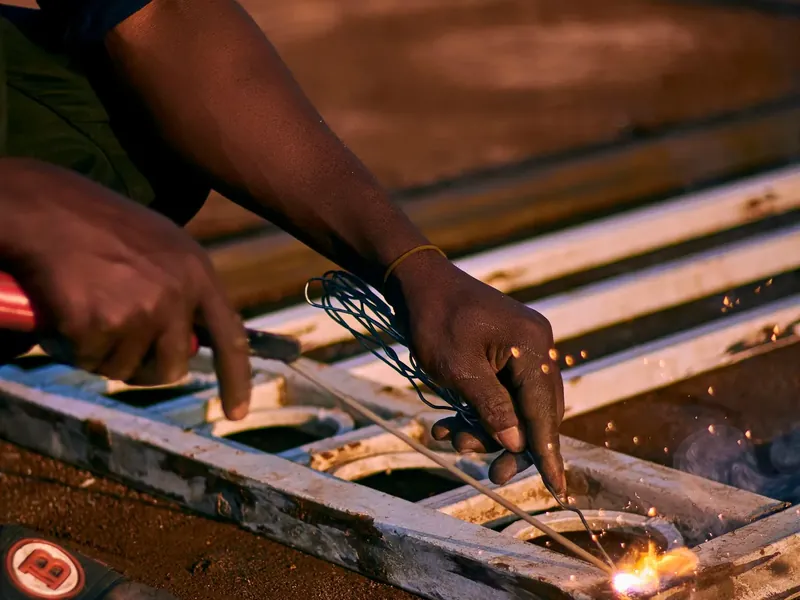 Galvanising & RAL coloursI.S. EN ISO 1461 hot-dip zinc baths, duplex powder coating and finishes.
 Core-drilling vs baseplatesHow railing posts fix cleanly into coping stones, concrete steps and soil.
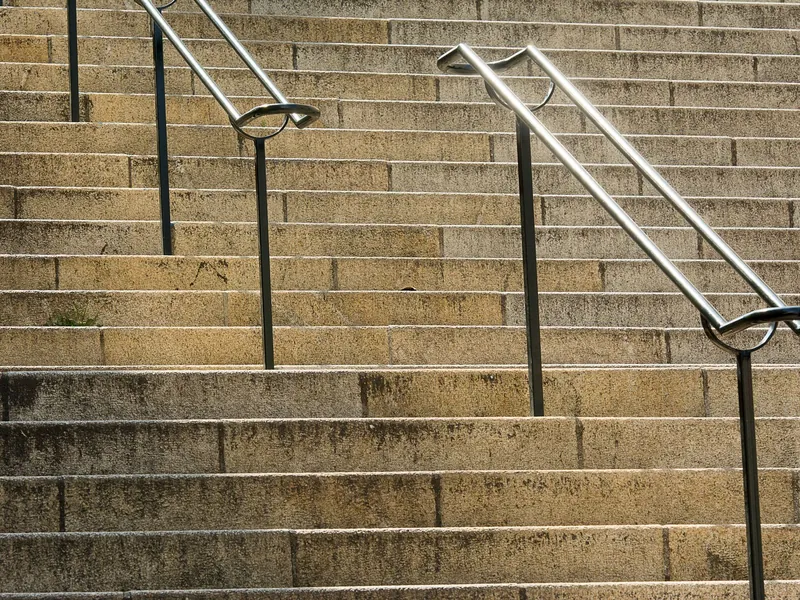
 Regulations & planningClass 5 front wall 1.2 m cap, TGD Part K rules and Section 5 checks.
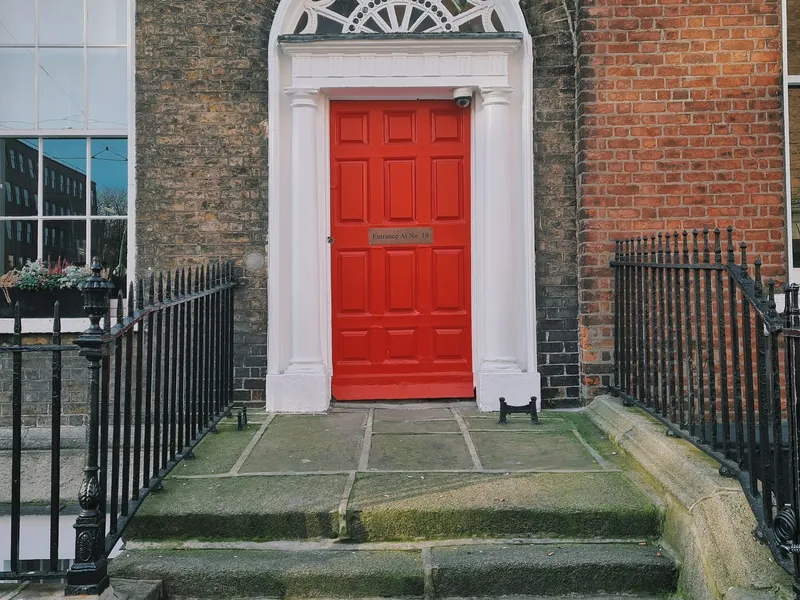
 Railings cost per metreComplete Irish supply-and-fit price guide per metre plus site extras.
 Lead times & fittingFrom site survey and galvanising dip to half-day or two-day installation.
Questions homeowners ask before ordering
Can rusted hollow-section railings be welded back together?
Usually not economically. Once hollow square tubing rusts from the inside out, welding fresh patches blows straight through paper-thin adjacent metal; replacing with hot-dip galvanised steel solves it permanently.
How much does it cost to cut out and dispose of old rusted railings?
Allow €30 to €70 per linear metre to grind out seized stubs, haul away scrap metal and make good the wall pockets before fitting new railings.
Can old Victorian railings be hot-dip galvanised?
Genuine antique wrought iron can sometimes be dipped after blast-cleaning, whereas brittle cast-iron balusters can crack from thermal shock at 450 °C and are instead shot-blasted and coated with zinc-rich primer and MIO paint.
What paint lasts longest on painted heritage railings in Ireland?
A four-coat system: blast-clean to bare steel, apply zinc-phosphate primer, two coats of micaceous iron oxide (MIO) barrier coat, and a satin silicone-alkyd or polyurethane topcoat.
All metal railing pages and guides
Railing styles
Specs & fitting
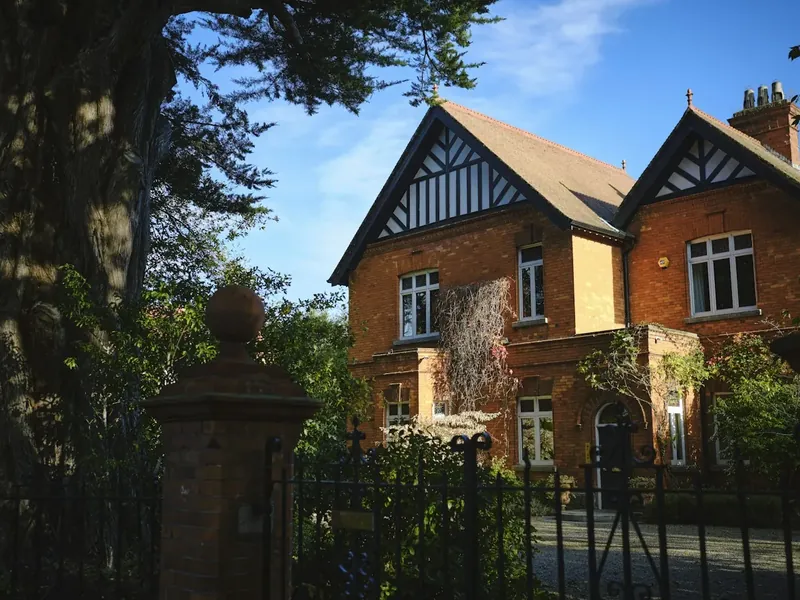
Check your railing price before anyone rings
Choose the style, rough length in metres and mounting surface. When you want a written price, your details go to a single fabricator in your county.